22 January 2026 · Kiet Thongchai
Before the hot-season order
The order for water, basins, and festival packets often goes out because last year felt busy. The shelf still has last year's remainder.
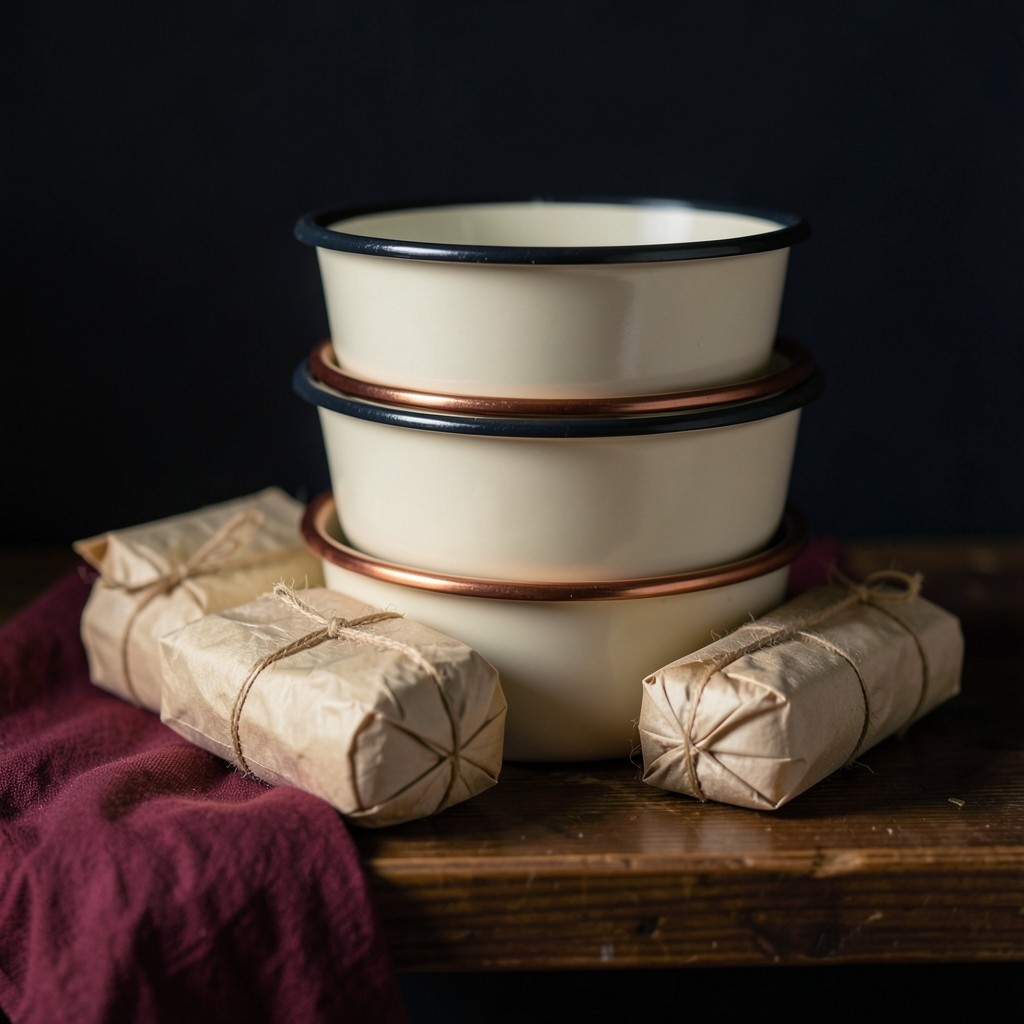
Last year's colour is still in the building
Household shops around Bueng Kum often reorder plastic basins in February because Songkran and the heat arrive close together. The new colour the supplier is pushing is not the problem. The problem is a tower of last year's basins on the top shelf, still in sleeves, counted by nobody since the previous April.
A drawing made in January separates that tower from the facing on the aisle. The order can then be a number written next to a remainder, not a memory of how busy the shop felt.
Packets that were a gift, not a sale
Some cartons leave the supplier as a bundle: a popular item taped to a slow one. The stock card, if it records the bundle as one line, hides the slow item inside the popular one. On the shelf they have already been cut apart. We count them as the pieces the customer can pick up.
That sounds fussy until a buyer reorders the bundle and discovers the slow half is what filled the back room. The page lists the pieces. It does not argue with the supplier's bundle price.
The week the order actually goes
Tell us the day you usually message the supplier. The visit is more useful a few days before that message than a fortnight after, when the truck has already been waved in. If the supplier's list is in Thai and your note to us is in English, send both. The drawing follows the names you use on the shelf.
We will not send the message for you. The sitting ends with your list marked, and the list stays in your hand.
When the question is one family of goods and a date you already know, the seasonal shelf study is the file we open.