4 March 2026 · Suda Prasert
The pile behind the stock card
Most cards in a small shop describe the bin on the aisle. The quantity that matters is often in an opened carton one step behind it.
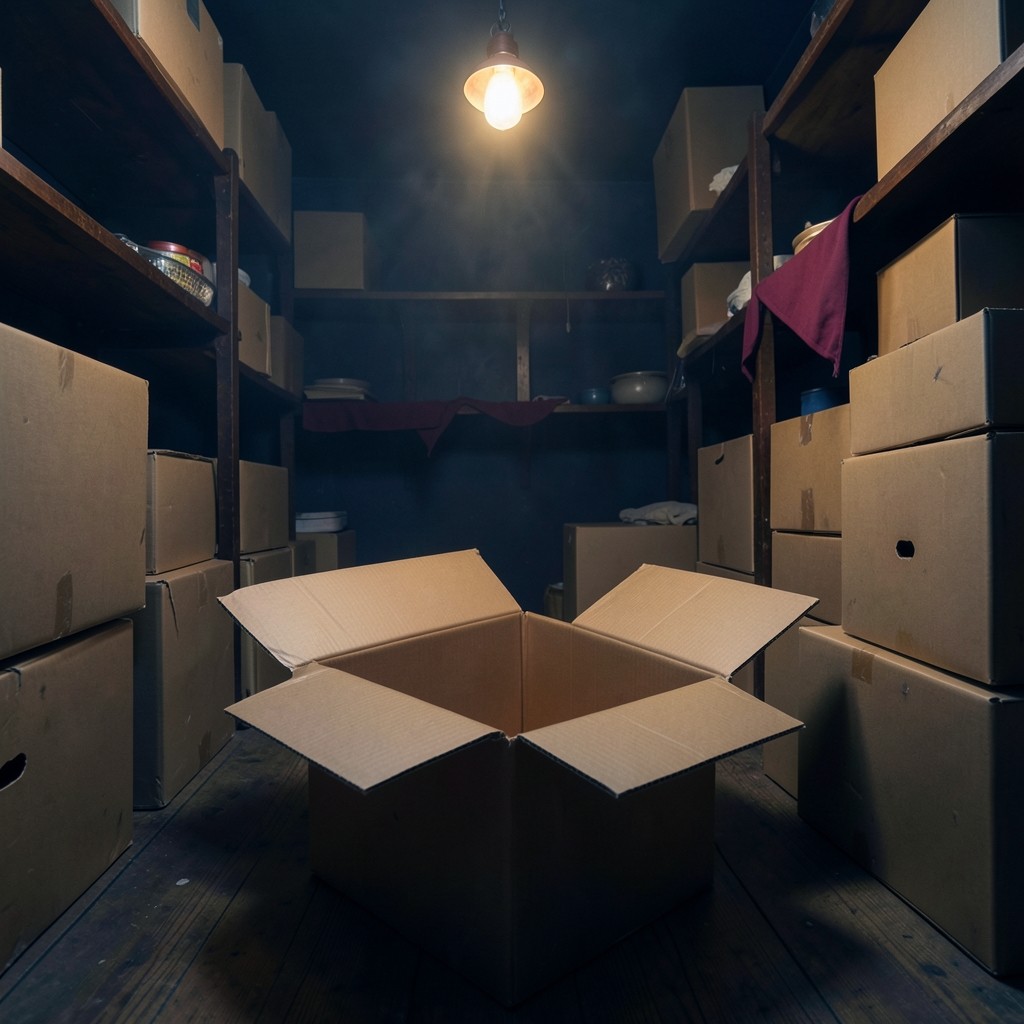
The card is often telling the truth about the wrong stack
A fastener bin in a hardware shop may say 40. The 40 are sometimes in the bin, and another 40 are in a torn carton that was opened for a contractor and never folded back into the count. The card is not careless. It was written for the bin. The carton is a second pile with no line of its own.
We do not correct the card unless you ask. We draw both quantities and the gap between them. Owners who update the card themselves usually do it after the sitting, with the drawing on the counter.
Returns, samples, and the festival box
Three other piles show up often enough to have their own marks. Returns waiting for a supplier who comes once a month. Samples that were never for sale and are still in the total. A box taped shut for the next festival, which everyone in the family knows about and no new Saturday staff has been told.
If we mix those into the sellable count, the reorder looks urgent when the goods are already in the building. The map uses a plain word for each: return, sample, reserve. The words are written in the language you keep the book in.
What we will not do with the pile
We do not restack the room to make the card look tidy. Moving forty boxes so a photograph would look orderly would also destroy the information. The drawing is the record. The room stays as your staff can work it the next morning.
If a pile is unsafe, we stop and tell you. A count is not a reason to climb a carton that is already leaning over the alley door.
A stockroom reading is built to put that second pile on the same page as the bin. If you already know which bay is lying, name it in the note.