12 November 2025 · Suda Prasert
A full rail of the wrong sizes
The rail can look complete from the door and still be missing the two sizes the neighbourhood actually wears.
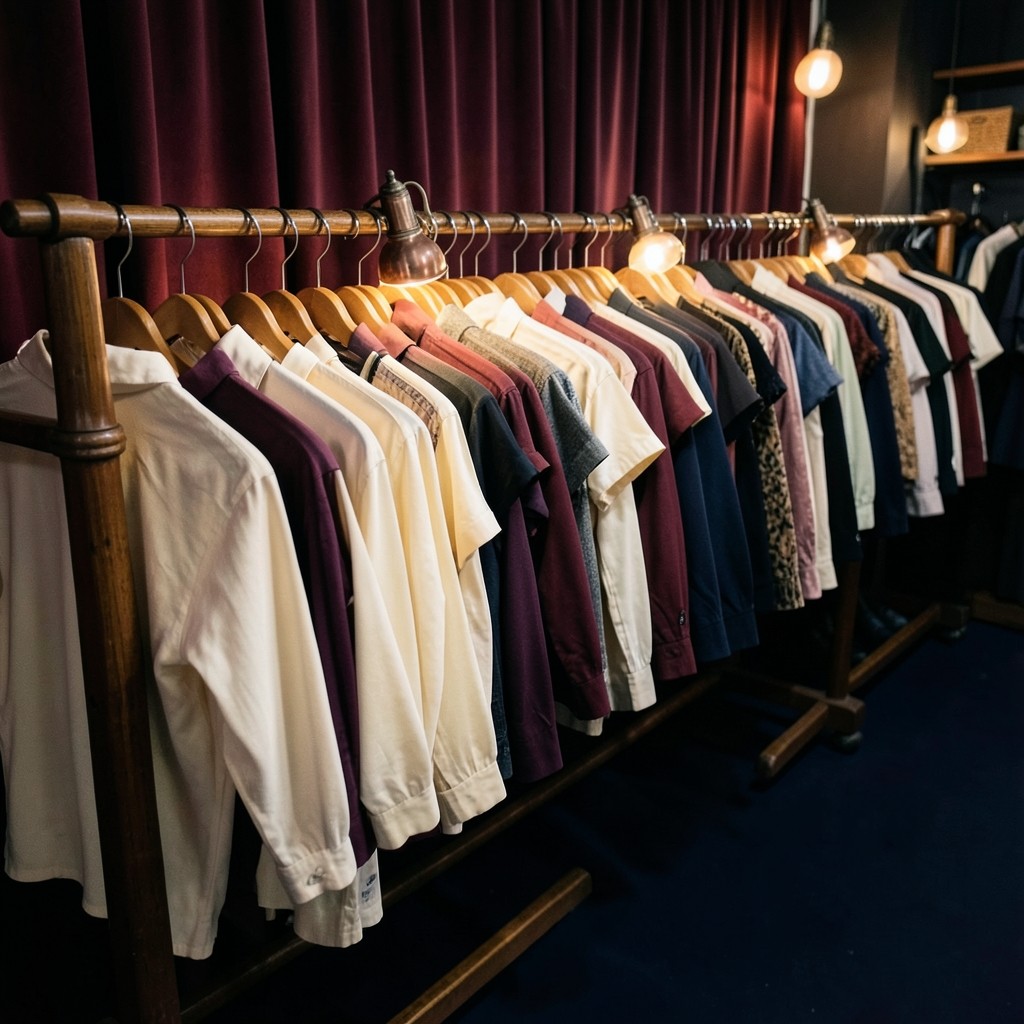
Full is a view from the door
A cloth shop on Lat Phrao kept a rail that looked dense in every photograph the owner's daughter posted. From the side, the hangers were almost all one size. The two sizes her regulars asked for were a short gap in the middle, hidden by the way the others were pushed together before opening.
We draw a size run as a row with gaps left open. A gap is not a criticism of the buyer. It is the size that was asked for and was not on the rail on either visit.
The carton under the cutting table
In that shop the missing sizes were not on order. They were under the cutting table, still in the supplier's plastic, because the table had been placed there during a repair and nobody had lifted it since. The rail was full of what was easy to hang. The carton was the stock.
A count that only walks the rail will congratulate the wrong pile. We ask where alterations, repairs, and the last delivery were put down, even when the answer is an apology and a cardboard box.
What the sitting is for
The owner does not need a lecture on fashion. She needs the row, the gap, and the carton in one view so the next call to the supplier is about the gap rather than about the rail that already looks finished from the door.
If you sell shoes, school shirts, or work trousers, the same row applies. Bring the size language you use with customers. We will not translate M into a number you do not say out loud.
If the rail is the worry, say so in the note. A stockroom reading can be pointed at the sizes without pretending to redraw every other bay.